Blog / Car Service in Howell, MI

How Often Should Your Ford Get an Oil Change?

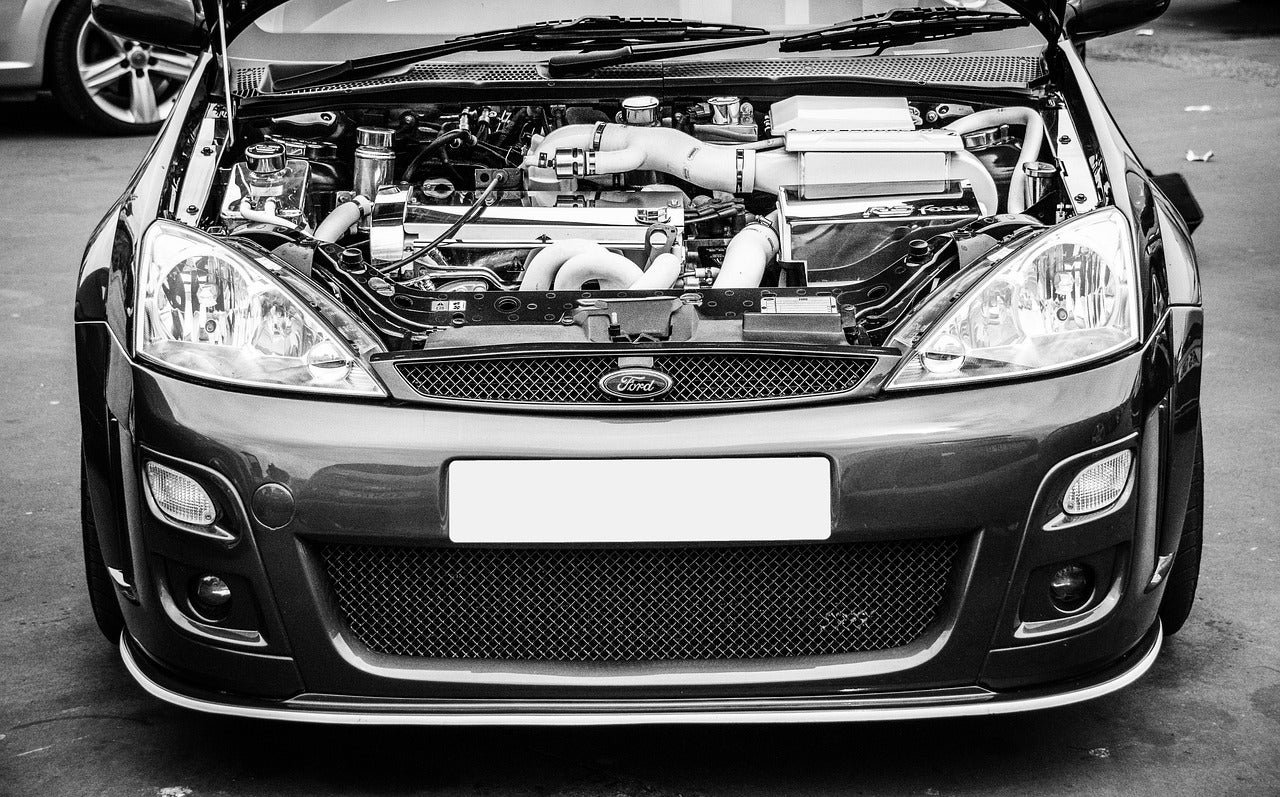
Underneath the hood of a Ford Focus vehicle

Image via Pixabay.

Getting an oil change for your Ford is essential to keeping the engine in optimal working condition. However, changing the oil isn't the same as topping it up. Even if you top up the oil frequently, you should get it flushed and refilled by your Ford dealer at the recommended intervals.

Ford vehicles generally require an oil flush and change every 7,500 to 10,000 miles, depending on the specifications in the owner's manual for the specific model. Newer Fords have an Intelligent Oil Life Monitor (IOLM) system that tracks driving habits and engine conditions to calculate a personalized oil service interval.

If you have a newer Ford, your IOLM system may recommend an oil service sooner than the baseline interval if it detects more severe driving conditions. So it's important to look out for the IOLM light on your dashboard. After each oil flush and refill, your dealer should reset the monitor to restart tracking.

How to Tell Your Ford Needs Fresh Oil

If your Ford doesn't have the Intelligent Oil Life Monitor, watch out for signs that an oil service is due, even if the recommended service interval hasn't elapsed. Here are the signs to watch out for:

  • Low oil levels
  • Dark, thick, or sludgy oil
  • Unusual engine noises
  • Excessive exhaust smoke
  • Oil leaks underneath the car
  • Check engine light

If you notice these signs, visit your dealer and have the technicians check your oil. They should flush the system, refill the oil, and fix oil leaks to get your Ford working optimally again.

Benefits of Changing Your Ford's Oil Regularly

Increases Engine Efficiency

Changing the oil regularly helps remove sludge and contaminant buildup in the system. As a result, the fresh, clean oil can circulate properly and lubricate crucial engine components. This reduces friction and drag, enabling the engine to operate at peak efficiency.

Improves Fuel Economy

As oil breaks down, it becomes less effective at reducing friction in the engine. The friction and drag cause components to work harder, which can reduce fuel economy. Replacing the degraded oil with new oil reduces friction and allows the components to work smoothly, leading to improved gas mileage.

Promotes Longer Engine Life

The contaminants in old oil act as an abrasive and can cause accelerated wear on components like pistons, valves, bearings, and seals. Changing the oil regularly removes these contaminants and maximizes lubrication. This reduces wear and tear and corrosion, extending your engine's lifespan.

Changing your Ford's oil can impact the vehicle's overall performance and reliability. If it's been a while since you last changed your oil, contact Bob Maxey Ford of Howell to schedule an oil service. 
Posted in:

Related Posts

An interior shot of the 2024 Ford F-150 driver interface

Ford's Guide to Advanced Driver Assistance Systems

Image via Bob Maxey Ford of Howell. As one of the world's leading manufacturers, Ford sets the benchmark when it comes to safety. Its vehicles all come equipped with the most advanced and innovative driver assistance systems, helping enhance safety to protect drivers and their passengers. We explore Ford Driver Assistance technologies that help you stay focused and confident on the road. more Co-Pilot360 is Ford's comprehensive suite of Advanced Driver Assistance Systems. The system acts as a second set of eyes, utilizing sensors and cameras to monitor your vehicle's surroundings for potential hazards, alerting you with audible and/or visual warnings, and taking evasive action if necessary. The following features are standard or available, depending on your vehicle. Pre-Collision Assist To help avoid frontal collisions or reduce the severity of impact, Ford includes pre-collision assistance with its Co-Pilot360 system. This powerful feature continually scans the road ahead for other vehicles and pedestrians directly in front of you. When it detects a potential hazard, your Ford will make a warning sound and flash a message on your information center, prompting you to take corrective action. Automatic Emergency Braking Linked with pre-collision assist is automatic emergency braking. If you don't respond to the warnings or your actions are insufficient to avoid a potential collision, the system will take decisive action when impact is imminent and automatically apply the brakes. Rear View Camera As soon as you put your Ford into reverse, the view from the rear camera is displayed on the dash-mounted central screen. In addition to giving you a clear view of what's behind your vehicle, the live image uses guidelines to help you navigate when backing up. Fixed guidelines direct you when moving straight backward while active guidelines show your intended path when turning the steering wheel and maneuvering in a curve. Models with the ability to tow a trailer may also display a central guideline, helping you correctly line up the trailer to your vehicle's hitch. Lane Keeping System Highway driving can become monotonous, and even the best drivers experience moments where they become distracted. To combat this lapse of concentration, Ford has developed a lane-keeping system. Advanced camera technology scans the white lines on each side of your vehicle's wheels so it knows when you veer from the center. The system will then intervene with the steering to get you back on track or vibrate the steering wheel to grab your attention. If you repeatedly drift from the center of the lane, the system will also post a message on the information hub so you know it's time to take a well-earned break from driving. If you're ready to explore how Ford helps keep drivers, their passengers, and other road users as safe as possible, contact us or visit Bob Maxey Ford of Howell in Howell, MI.

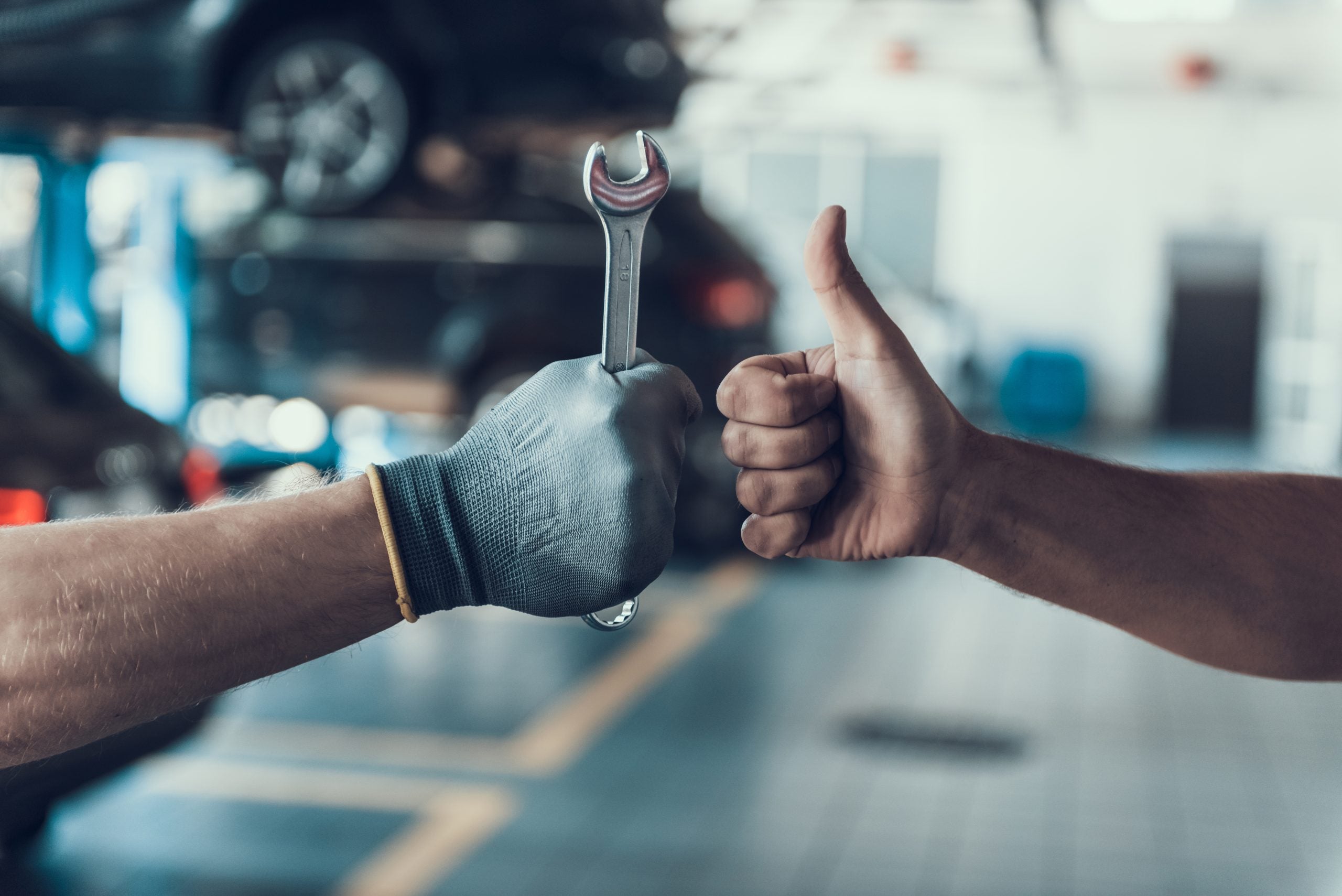
Two mechanics fist-bumping in a thumbs-up pose

Essential Summer Maintenance for Your Ford

Image via Bob Maxey Ford of Howell. Summer is the time for fun in the sun, but unfortunately, the hot and humid weather can cause car trouble. Ford summer maintenance helps you prepare for the warmer months and will safeguard your vehicle, preventing issues that can lead to costly repairs. more Have Your Cooling System Serviced Overheating is a common problem in summer. Schedule a cooling system service to prevent your Ford from getting too hot under the hood. Your Ford technician will check the coolant and inspect the radiator, hoses, and belts for wear and leaks. You should also check your coolant every two weeks and keep it topped off to the correct level to prevent overheating. Test Your Air Conditioning System You want to be prepared for the heat when the summer rolls around. Test your AC before the weather gets too hot and have your Ford technician service it to avoid sitting in a hot car in the sweltering heat. Change the Oil and Filter When the sun bakes down on your vehicle, you want to ensure that the components under the hood stay cool. Changing the oil and filter will keep the engine lubricated and reduce friction between the moving parts, which can cause overheating. A new oil filter will keep dirt away from your engine. Service Your Brakes Summer is the time for exciting road trips. To ensure your brakes work when you step on the brake pedal, check the thickness of your brake pads and brake fluid. Have your Ford technician perform a comprehensive brake system inspection for your safety on the road. Replace the Cabin Air Filter In the summer, your cabin air filter is vital for preventing outside pollutants from entering your cabin through the vents. An old and dirty filter can also cause problems with your air conditioning system, which you want to avoid in the heat. Have Your Battery Tested Hot summer weather can affect your battery's health. If your battery is over three years old, it's a good idea to have it tested to ensure it can withstand the heat. Replace Your Wiper Blades To prepare your Ford for the heavy rains and thunderstorms in July, replace your wiper blades. Brittle and worn wiper blades are less effective and can leave streaks on your windshield, reducing your visibility in rainy weather. Monitor Your Tire Pressure The high temperature during the summer can cause tire pressure fluctuations. Ensure your tires and spare are always inflated to the recommended pressure levels. Improperly inflated tires can lead to poor handling performance, higher fuel consumption, and premature tread wear. Proper summer vehicle maintenance will ensure that your Ford remains in great running condition, even during the intense heat that can worsen existing problems and result in sudden breakdowns. Call Bob Maxey Ford of Howell, MI, now to schedule a service. Our certified technicians will help prepare your vehicle to withstand the summer heat.

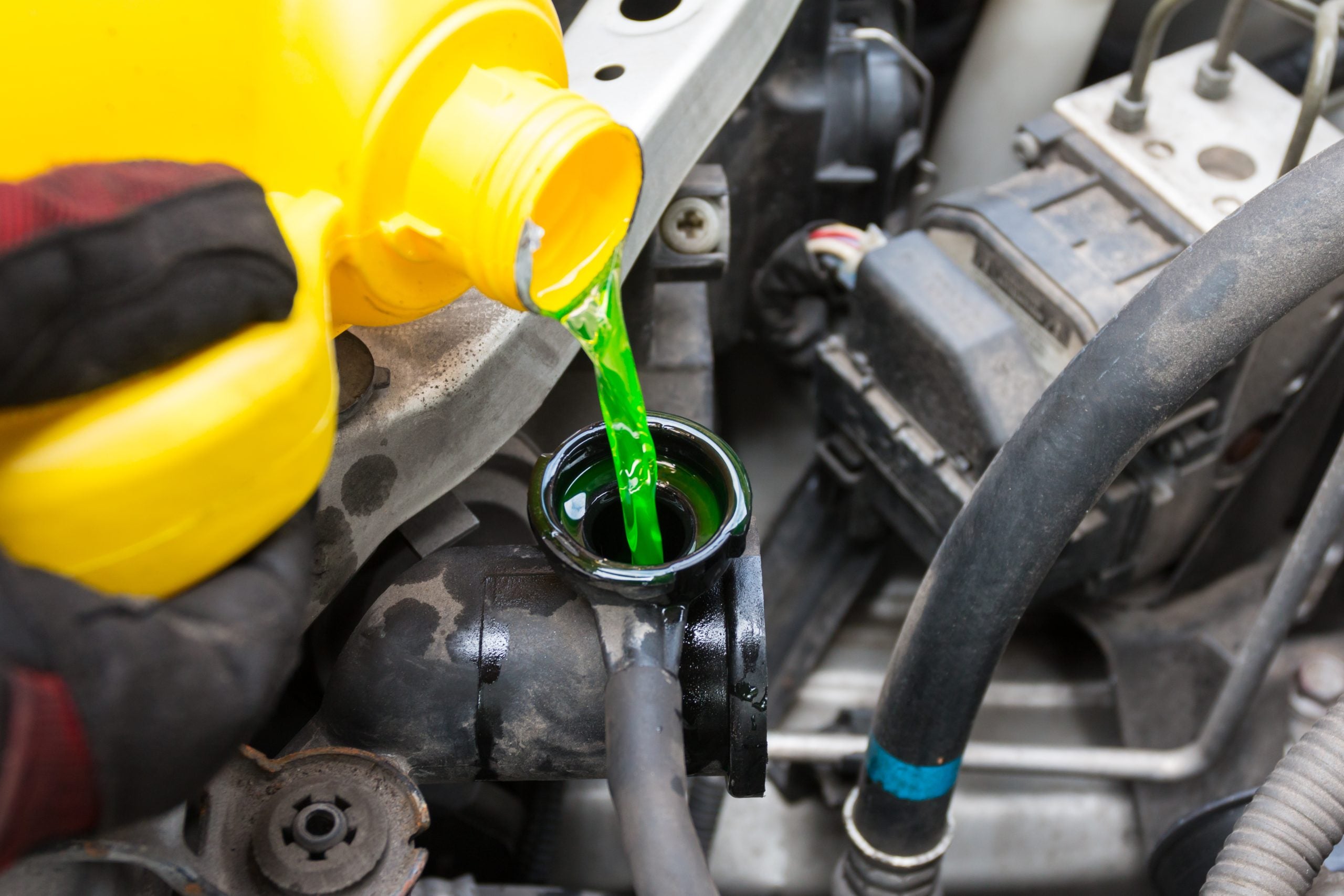
A bottle pouring coolant into a vehicle

Why You Should Have Your Fluids Checked at Your Local Ford Dealership

Image via Bob Maxey Ford of Howell. There are lots of different types of Ford service you should visit your Howell Ford dealership for, including fluid checks. You need to keep on top of your fluid levels, and the technicians at your local dealership need to check whether or not the fluids in your vehicle are contaminated. Driving with contaminated fluids or low fluid levels can cause serious damage to your car. more To Prevent Engine Wear and Tear One of the main fluids in your car is motor oil, and it's typically the fluid that needs to be changed most often. Making sure you have enough high-quality oil in your car is essential for reducing wear and tear on your engine. The oil lubricates the parts of the engine, cooling them down and stopping them from grinding against each other. When there's enough high-quality oil in your engine, you should expect your car to perform optimally. Making sure your motor oil level is topped up also leads to better gas mileage. To Keep the Brakes Responsive Break fluid is one of the most important fluids in your car, so you should definitely make sure you have enough of it at all times. Your dealer will add more brake fluid or replace your brake fluid as necessary so it can do its job: keeping your brakes working. Brake fluid is one of the main components of your braking system, and it's responsible for placing pressure on your pistons, which push your brake pads against your rotors to stop the car. Without enough brake fluid, or with low-quality brake fluid in your car, you'll notice your brakes aren't as responsive as usual, which is very dangerous. To Stop Your Car From Overheating Having enough of each fluid in your car helps prevent various systems in the vehicle from overheating. The coolant is the main fluid that helps the car regulate its temperature, as it's what runs through your radiator. Having your local dealer check that there's enough high-quality coolant in the car to prevent the vehicle from overheating is imperative. Why You Should Visit Your Howell Ford Dealership for Fluid Checks You should check your fluid levels by yourself regularly, but you should also get a professional to take a look a couple of times a year. The technicians at your Ford dealership can easily tell when each fluid is too contaminated and needs to be drained and replaced by fresh fluid. They also don't know which types of each fluid need to be used in your specific car model, so visiting the dealer for fluid checks is best for your car's longevity and performance. Get your fluid levels checked at Bob Maxey Ford of Howell in Howell, MI. We're open to serve you from 9 AM to 9 PM on weekdays and 10 AM to 3 PM every Saturday.