Blog / Car Service in Howell, MI

Blog

All Car Service in Howell, MI Ford Dealership in Howell, MI Places in Howell, MI Food Places Howell, MI Things to do in Howell, MI Auto Repair Driver Assistance Technology Electric Financing Ford Service Center Lease Mustang Mach-E SUV Test Drive Truck
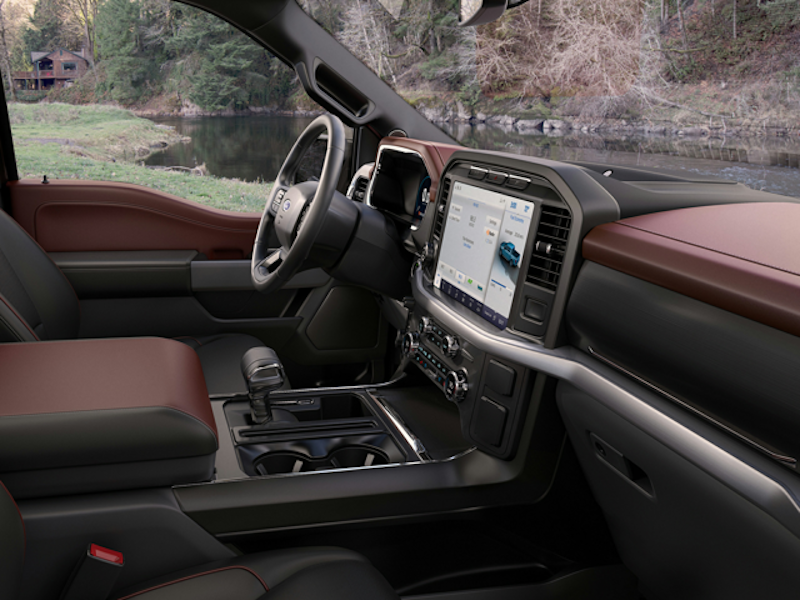
An interior shot of the 2024 Ford F-150 driver interface

Ford's Guide to Advanced Driver Assistance Systems

Image via Bob Maxey Ford of Howell. As one of the world's leading manufacturers, Ford sets the benchmark when it comes to safety. Its vehicles all come equipped with the most advanced and innovative driver assistance systems, helping enhance safety to protect drivers and their passengers. We explore Ford Driver Assistance technologies that help you stay focused and confident on the road. Co-Pilot360 is Ford's comprehensive suite of Advanced Driver Assistance Systems. The system acts as a second set of eyes, utilizing sensors and cameras to monitor your vehicle's surroundings for potential hazards, alerting you with audible and/or visual warnings, and taking evasive action if necessary. The following features are standard or available, depending on your vehicle. Pre-Collision Assist To help avoid frontal collisions or reduce the severity of impact, Ford includes pre-collision assistance with its Co-Pilot360 system. This powerful feature continually scans the road ahead for other vehicles and pedestrians directly in front of you. When it detects a potential hazard, your Ford will make a warning sound and flash a message on your information center, prompting you to take corrective action. Automatic Emergency Braking Linked with pre-collision assist is automatic emergency braking. If you don't respond to the warnings or your actions are insufficient to avoid a potential collision, the system will take decisive action when impact is imminent and automatically apply the brakes. Rear View Camera As soon as you put your Ford into reverse, the view from the rear camera is displayed on the dash-mounted central screen. In addition to giving you a clear view of what's behind your vehicle, the live image uses guidelines to help you navigate when backing up. Fixed guidelines direct you when moving straight backward while active guidelines show your intended path when turning the steering wheel and maneuvering in a curve. Models with the ability to tow a trailer may also display a central guideline, helping you correctly line up the trailer to your vehicle's hitch. Lane Keeping System Highway driving can become monotonous, and even the best drivers experience moments where they become distracted. To combat this lapse of concentration, Ford has developed a lane-keeping system. Advanced camera technology scans the white lines on each side of your vehicle's wheels so it knows when you veer from the center. The system will then intervene with the steering to get you back on track or vibrate the steering wheel to grab your attention. If you repeatedly drift from the center of the lane, the system will also post a message on the information hub so you know it's time to take a well-earned break from driving. If you're ready to explore how Ford helps keep drivers, their passengers, and other road users as safe as possible, contact us or visit Bob Maxey Ford of Howell in Howell, MI.
Two mechanics fist-bumping in a thumbs-up pose

Essential Summer Maintenance for Your Ford

Image via Bob Maxey Ford of Howell. Summer is the time for fun in the sun, but unfortunately, the hot and humid weather can cause car trouble. Ford summer maintenance helps you prepare for the warmer months and will safeguard your vehicle, preventing issues that can lead to costly repairs. Have Your Cooling System Serviced Overheating is a common problem in summer. Schedule a cooling system service to prevent your Ford from getting too hot under the hood. Your Ford technician will check the coolant and inspect the radiator, hoses, and belts for wear and leaks. You should also check your coolant every two weeks and keep it topped off to the correct level to prevent overheating. Test Your Air Conditioning System You want to be prepared for the heat when the summer rolls around. Test your AC before the weather gets too hot and have your Ford technician service it to avoid sitting in a hot car in the sweltering heat. Change the Oil and Filter When the sun bakes down on your vehicle, you want to ensure that the components under the hood stay cool. Changing the oil and filter will keep the engine lubricated and reduce friction between the moving parts, which can cause overheating. A new oil filter will keep dirt away from your engine. Service Your Brakes Summer is the time for exciting road trips. To ensure your brakes work when you step on the brake pedal, check the thickness of your brake pads and brake fluid. Have your Ford technician perform a comprehensive brake system inspection for your safety on the road. Replace the Cabin Air Filter In the summer, your cabin air filter is vital for preventing outside pollutants from entering your cabin through the vents. An old and dirty filter can also cause problems with your air conditioning system, which you want to avoid in the heat. Have Your Battery Tested Hot summer weather can affect your battery's health. If your battery is over three years old, it's a good idea to have it tested to ensure it can withstand the heat. Replace Your Wiper Blades To prepare your Ford for the heavy rains and thunderstorms in July, replace your wiper blades. Brittle and worn wiper blades are less effective and can leave streaks on your windshield, reducing your visibility in rainy weather. Monitor Your Tire Pressure The high temperature during the summer can cause tire pressure fluctuations. Ensure your tires and spare are always inflated to the recommended pressure levels. Improperly inflated tires can lead to poor handling performance, higher fuel consumption, and premature tread wear. Proper summer vehicle maintenance will ensure that your Ford remains in great running condition, even during the intense heat that can worsen existing problems and result in sudden breakdowns. Call Bob Maxey Ford of Howell, MI, now to schedule a service. Our certified technicians will help prepare your vehicle to withstand the summer heat.

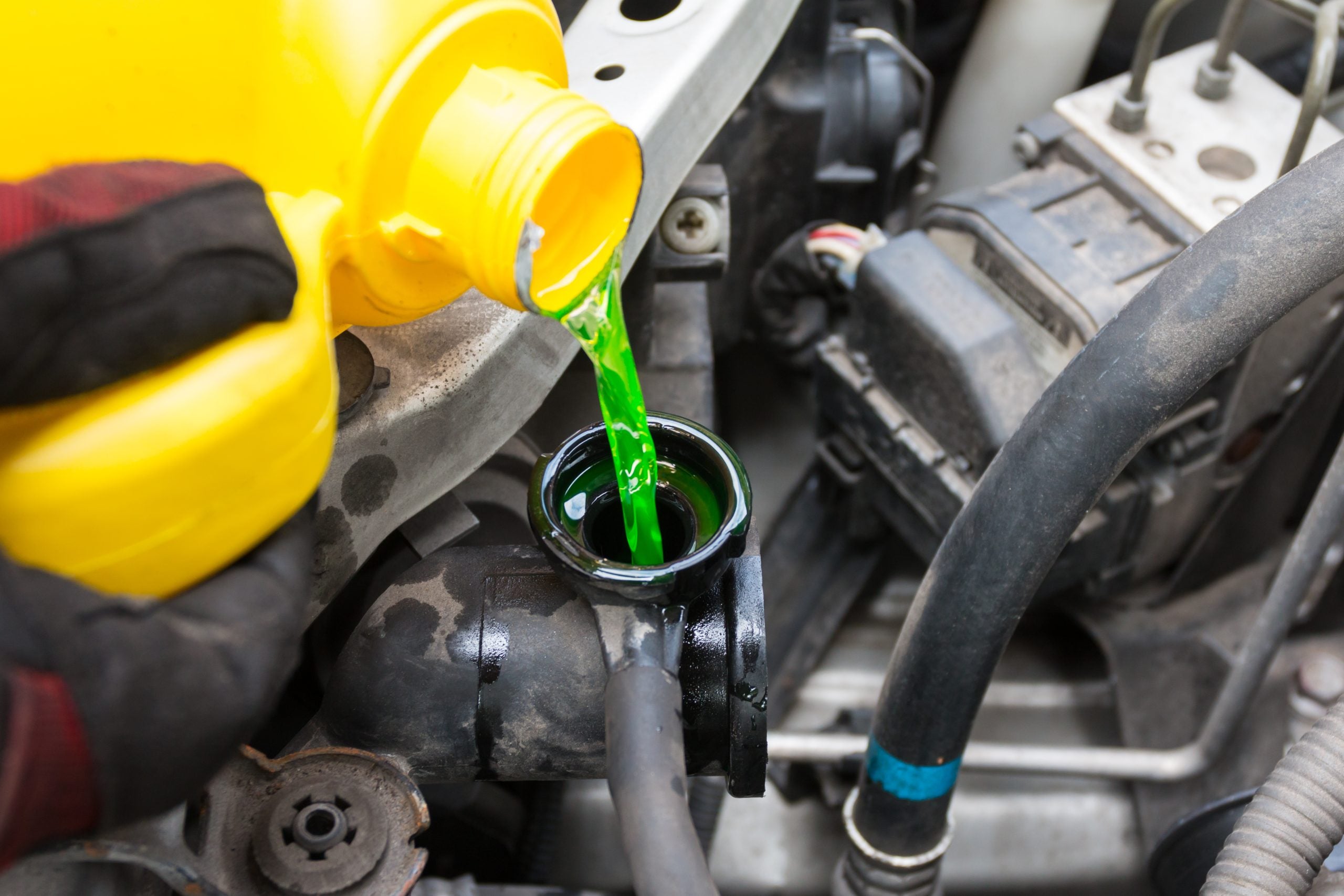
A bottle pouring coolant into a vehicle

Why You Should Have Your Fluids Checked at Your Local Ford Dealership

Image via Bob Maxey Ford of Howell. There are lots of different types of Ford service you should visit your Howell Ford dealership for, including fluid checks. You need to keep on top of your fluid levels, and the technicians at your local dealership need to check whether or not the fluids in your vehicle are contaminated. Driving with contaminated fluids or low fluid levels can cause serious damage to your car. To Prevent Engine Wear and Tear One of the main fluids in your car is motor oil, and it's typically the fluid that needs to be changed most often. Making sure you have enough high-quality oil in your car is essential for reducing wear and tear on your engine. The oil lubricates the parts of the engine, cooling them down and stopping them from grinding against each other. When there's enough high-quality oil in your engine, you should expect your car to perform optimally. Making sure your motor oil level is topped up also leads to better gas mileage. To Keep the Brakes Responsive Break fluid is one of the most important fluids in your car, so you should definitely make sure you have enough of it at all times. Your dealer will add more brake fluid or replace your brake fluid as necessary so it can do its job: keeping your brakes working. Brake fluid is one of the main components of your braking system, and it's responsible for placing pressure on your pistons, which push your brake pads against your rotors to stop the car. Without enough brake fluid, or with low-quality brake fluid in your car, you'll notice your brakes aren't as responsive as usual, which is very dangerous. To Stop Your Car From Overheating Having enough of each fluid in your car helps prevent various systems in the vehicle from overheating. The coolant is the main fluid that helps the car regulate its temperature, as it's what runs through your radiator. Having your local dealer check that there's enough high-quality coolant in the car to prevent the vehicle from overheating is imperative. Why You Should Visit Your Howell Ford Dealership for Fluid Checks You should check your fluid levels by yourself regularly, but you should also get a professional to take a look a couple of times a year. The technicians at your Ford dealership can easily tell when each fluid is too contaminated and needs to be drained and replaced by fresh fluid. They also don't know which types of each fluid need to be used in your specific car model, so visiting the dealer for fluid checks is best for your car's longevity and performance. Get your fluid levels checked at Bob Maxey Ford of Howell in Howell, MI. We're open to serve you from 9 AM to 9 PM on weekdays and 10 AM to 3 PM every Saturday.
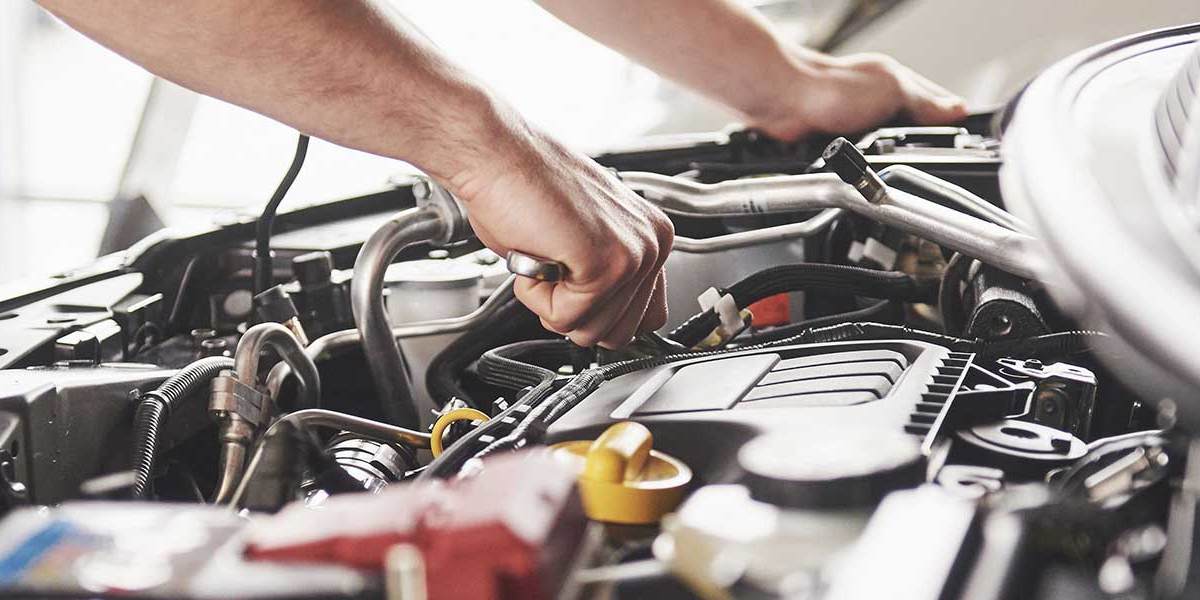
A technician working on a vehicle under the hood

Does Your Ford Need a New Car Battery?

Image via Bob Maxey Ford of Howell. Rotten egg smells, faltering electronics, and trouble starting your car are all signs that you might need a new car battery. If in doubt, you can always ask a technician at your local Ford dealership to test your battery and determine its condition. Slow Starts in the Morning In the morning, your car's starter and spark plugs need a strong burst of electrical voltage to get going. A weakening battery will struggle to deliver this electrical supply. You might find the engine taking longer and longer to start turning over, especially on cold mornings. Failure To Start Altogether Eventually, if not replaced, the aging battery will fail to start the engine at all. You'll find yourself needing to jumpstart your car. If the battery is to blame for this problem, the car will usually run well once jumpstarted as the alternator starts producing new electricity. But the next morning, you may have the same problem once again. Faltering Lights and Electronics All the electronics in your vehicle will start to slow down when the battery goes bad. At first, you might notice problems with your air conditioning, power windows, heated seats, and stereo. Soon thereafter, your dashboard dials, internal lights, and headlights will fail as well. Strong Rotten-Egg Smell When a battery becomes seriously damaged by extreme temperatures, excessive vibrations, or internal shorts, it might spring a leak. This means foul-smelling battery acid will be leaking into your car, which can rapidly cause damage to other components. If you ever smell something like rotten eggs in your cabin, check your battery at once to see if it's leaking. A leaking battery will have to be replaced. Misshapen Battery Casing Likewise, any warping or bulging in the casing of a battery means that it's become damaged beyond repair. You can pop the hood any time to visually inspect your battery. If the sides aren't perfectly straight and even, have it replaced as soon as possible. Head to Your Ford Dealership for a New Battery Every 3 to 5 Years Car batteries tend to last between three and five years. This means once three years have passed, you should keep a closer eye on the condition of your battery. If you want to be sure of its condition, you can ask a technician at your local dealership to inspect it and test its power with a multimeter. Have your car battery checked and replaced today at Bob Maxey Ford-Howell. We offer an extensive inventory of new and pre-owned vehicles and excellent maintenance and repair services.

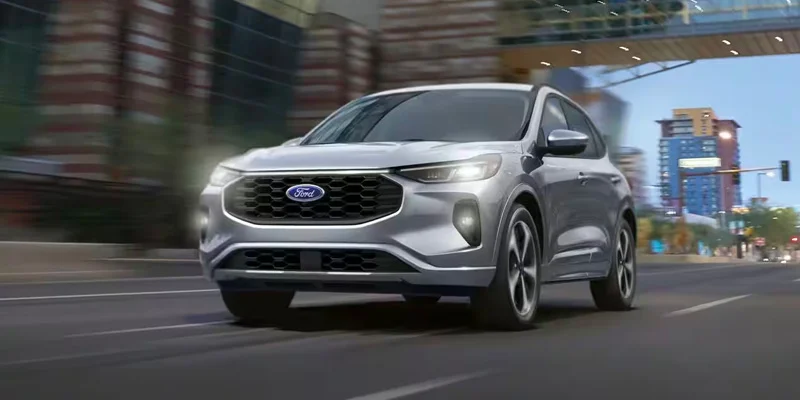
A 2024 Ford Escape with its headlights on

Time for New Headlights? Visit Your Ford Dealer

Image via Bob Maxey Ford of Howell. Headlights are one of your car's most important safety features. Knowing when to head to the Ford dealer for new headlights can help you avoid getting stranded in the dark. Weakening Lights It's very common for headlight bulbs to dim over time. This dimming is often so gradual drivers do not notice something is wrong until the lights become too dim to see clearly. Weak, dim headlights are likely near the end of their lifespan, so they should be replaced as soon as you notice something is off. Flickering, Inconsistent Light Flickering headlights could mean anything from a power supply issue to a bulb that's about to go out. Steady light is important for safe driving in the dark, so if your lights flicker on and off or brighten and dim erratically, you should have them checked immediately. One Burned Out Bulb If one of your headlights has burned out, you should have the bulb replaced right away. Driving with only one working headlight can be dangerous. It is also illegal, meaning you're risking a ticket. Keep in mind that bulbs that were installed at the same time will often burn out around the same time. Foggy, Yellow Lenses The plastic lenses that cover your headlights were originally clear. Over time, they can become foggy or yellow from oxidation. This limits the amount of light your headlights can produce. Cleaning your lenses may improve matters, but if not, they will need to be replaced. Bulbs Keep Burning Out If your headlight bulbs just keep burning out, there may be a larger electrical problem with your car. While it's normal to replace your headlights from time to time, more than one set of burned-out bulbs inside a year is a red flag. Visible Damage If your headlights are cracked, broken, or otherwise visibly damaged, they need to be replaced. Broken headlights may produce less light, and cracks can allow water to get inside. Moisture Inside the Lens If you can see condensation inside the headlight lens, there are probably cracks or poor seals allowing the water in, even if you can't see them. Since water entering your car's electrical system can cause additional problems, moisture inside your headlights means you should get them replaced, fast. Visit Your Ford Dealer for New Headlights If you notice any signs of trouble with your headlights, your next stop should be the dealership. We have the right parts for your specific model, and can also check for any underlying issues before you drive away. Don't compromise your safety with headlights that aren't doing their job. Call Bob Maxey Ford of Howell today and schedule a headlight inspection.

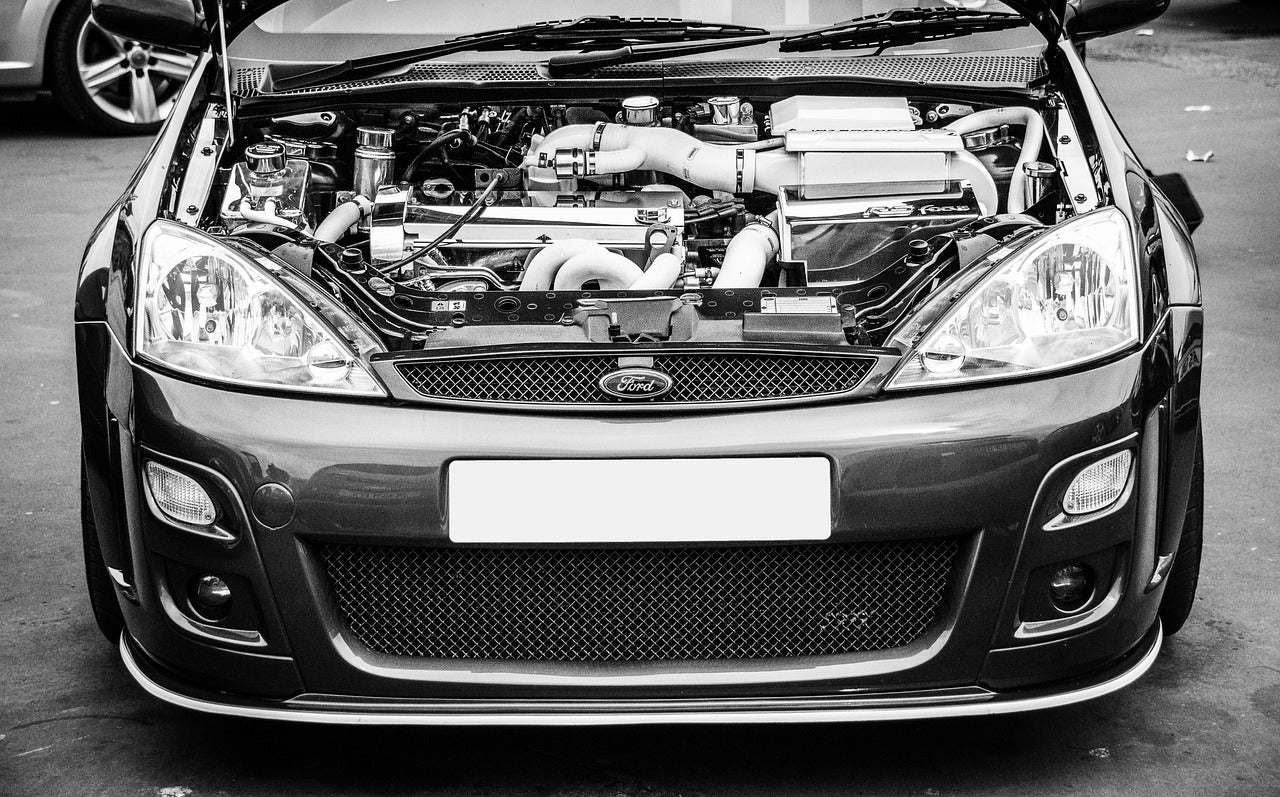
Underneath the hood of a Ford Focus vehicle

How Often Should Your Ford Get an Oil Change?

Image via Pixabay. Getting an oil change for your Ford is essential to keeping the engine in optimal working condition. However, changing the oil isn't the same as topping it up. Even if you top up the oil frequently, you should get it flushed and refilled by your Ford dealer at the recommended intervals. Ford vehicles generally require an oil flush and change every 7,500 to 10,000 miles, depending on the specifications in the owner's manual for the specific model. Newer Fords have an Intelligent Oil Life Monitor (IOLM) system that tracks driving habits and engine conditions to calculate a personalized oil service interval. If you have a newer Ford, your IOLM system may recommend an oil service sooner than the baseline interval if it detects more severe driving conditions. So it's important to look out for the IOLM light on your dashboard. After each oil flush and refill, your dealer should reset the monitor to restart tracking. How to Tell Your Ford Needs Fresh Oil If your Ford doesn't have the Intelligent Oil Life Monitor, watch out for signs that an oil service is due, even if the recommended service interval hasn't elapsed. Here are the signs to watch out for: Low oil levels Dark, thick, or sludgy oil Unusual engine noises Excessive exhaust smoke Oil leaks underneath the car Check engine light If you notice these signs, visit your dealer and have the technicians check your oil. They should flush the system, refill the oil, and fix oil leaks to get your Ford working optimally again. Benefits of Changing Your Ford's Oil Regularly Increases Engine Efficiency Changing the oil regularly helps remove sludge and contaminant buildup in the system. As a result, the fresh, clean oil can circulate properly and lubricate crucial engine components. This reduces friction and drag, enabling the engine to operate at peak efficiency. Improves Fuel Economy As oil breaks down, it becomes less effective at reducing friction in the engine. The friction and drag cause components to work harder, which can reduce fuel economy. Replacing the degraded oil with new oil reduces friction and allows the components to work smoothly, leading to improved gas mileage. Promotes Longer Engine Life The contaminants in old oil act as an abrasive and can cause accelerated wear on components like pistons, valves, bearings, and seals. Changing the oil regularly removes these contaminants and maximizes lubrication. This reduces wear and tear and corrosion, extending your engine's lifespan. Changing your Ford's oil can impact the vehicle's overall performance and reliability. If it's been a while since you last changed your oil, contact Bob Maxey Ford of Howell to schedule an oil service.

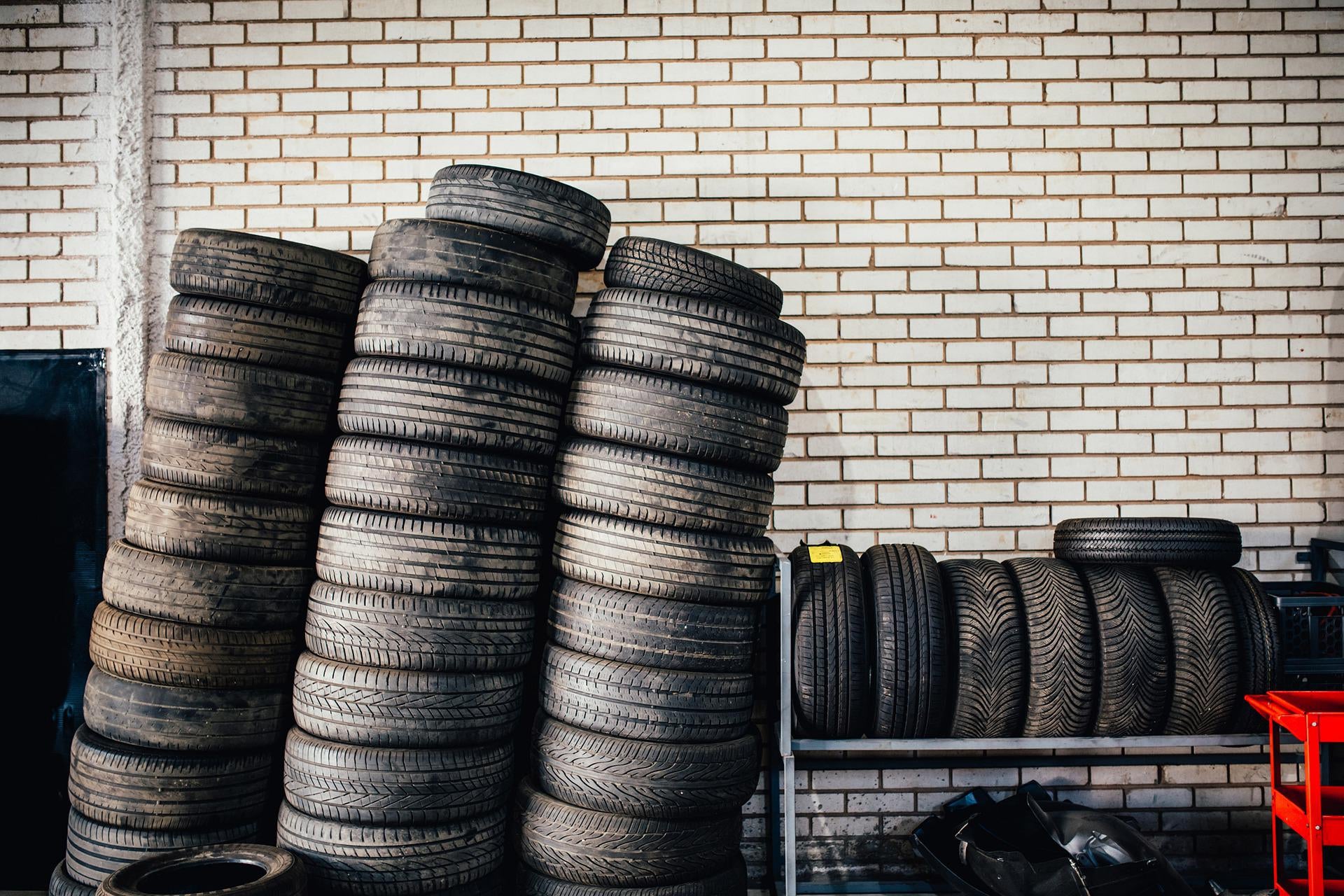
A stack of tires in a garage

5 Signs Your Ford Needs New Tires

Image via Pixabay. The tires on your Ford play an essential role in its functioning and safety. They are prone to significant wear and tear and abuse since they're always touching the ground. Factors like storage conditions and weather can break down tires over time. Because of this, you'll want your Ford dealer to put new tires on your vehicle if they're older than six years. 1. Uneven Tread Wear It's time to have the tires changed on your Ford if you notice they have uneven wearing. If you notice different spots on the tire surface that aren't consistent with the overall wear, or if the tread wear indicators are peeking out in only a few areas, it's time to replace your tires. 2. Tire Damage Having your tires inspected regularly will help identify different types of damage like cracks, cuts, or bulges in the sidewall. While these may seem minor, they can harm the stability and strength of the tire. It's important to have one of our skilled technicians assess the damage to your tire (or tires) to see if we need to make a simple repair or a total replacement. Certain things can contribute to tire damage, including speeding, hard turns, braking hard, and ignoring vibration or issues with performance. Banging into curbs, running over potholes, and other types of road conditions can also lead to tire damage. 3. Tire Pressure Problems It's normal for tires to deflate gradually with time. It's important to keep an eye on your tires to ensure they're inflated properly. If your tires keep losing air or they become flat for no apparent reason, it could be a sign that it's time to have them replaced with new ones. A good sign that you may have a slow leak in your tires is if you see the Tire Pressure Monitoring System (TPMS) light show up on your dashboard frequently. 4. Aging or Cracked Rubber You can develop cracks in the rubber of your tires over time. They can appear on both the inside and outside of the tire. Without proper maintenance, they can lead to the tread's steel belts separating from the tire. 5. Vibration When you're driving, listen to how your car sounds and the way it feels. If it vibrates excessively, it could be a sign that one of your tires is damaged. However, it could also be a sign that you have a bent or misaligned wheel, which can lead to your tire wearing out prematurely. Are you in the market for a new set of tires? We offer 16 different quality brand names of tires both new and replacement. Contact us here at Bob Maxey Ford in Howell to learn more about the different services we offer your Ford.

The Ford Logo on the front of a vehicle

Ford Safety Technology Has Your Back

Image via Pixabay. Ford prioritizes the safety of drivers and passengers, and this car manufacturer offers a variety of advanced features that can help with parking, commuting, driving off-road, teaching teen drivers, and more. Here are some of the features offered with many new Ford models. Crash Prevention A variety of crash prevention systems come with new Fords. Pre-collision assist with pedestrian detection uses cameras and sensors to detect a potential accident and help you avoid it. It can detect vehicles and pedestrians, and it provides an audible alert and a warning flash on your windshield in front of you. Then, the system prepares the brakes for maximum responsiveness. If you don't use the brakes in time, the vehicle can apply the brakes for you to prevent an accident. Many Ford vehicles also have a blind spot information system. It uses radar to detect vehicles behind you that could be in your blind spot. This system warns you about any cars you could miss with a visual alert in your side mirror. Some Fords come with cross-traffic alert as well. It checks for traffic behind you when you back out of a parking spot, and it can let you know a vehicle is approaching from up to 15 yards away. Advanced Driver Assistance Ford's Safe and Smart package comes with active parking assistance to help you pull in or out of a tight space. A side sensing system warns when you move too close to another vehicle or an object, and parallel and perpendicular parking assistance are available. Vehicles can control their own steering while you adjust the accelerator, gear shifter, and brakes. With many Ford models, you'll get adaptive cruise control with stop-and-go capabilities. It uses sensors to keep a safe distance from the car ahead of you at high or low speeds, and it can work with lane-keeping assistance and traffic sign recognition to provide driving assistance on many roads. Ford MyKey The Ford MyKey system is for teen drivers and friends who want to borrow your vehicle. It can limit your car's top speed and give warnings when a driver approaches it. It can also keep audio volume low or mute it, send phone calls directly to voicemail, keep safety features on, and activate a warning if the seat belts aren't buckled or gas levels are low. Air Bags Ford vehicles use dual-stage driver and passenger air bags. They can inflate at different speeds depending on the speed of an accident. This helps prevent bruises or other injuries from air bags in low-speed crashes. Vehicles like the Ford Explorer and the Ford Edge have sophisticated safety features to improve your peace of mind and help you and your passengers stay safe. These cars, trucks, and SUVs are also attractive, affordable, and fun to drive. They have comfortable interiors have lots of options, and a variety of convenient, advanced features. You can use these vehicles to explore off-road, commute safely, take long road trips, carry a variety of cargo, and more. If you're ready to look for a safe Ford vehicle of your very own, come on down to Bob Maxey Ford of Howell and let our team of automotive professionals help you find the perfect Ford.

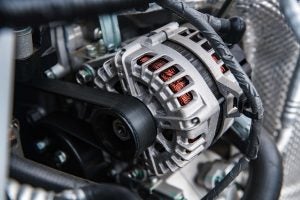
alternator

Does Your Ford Need an Alternator Repair?

As your Ford dealer, we have the experience and technology to fix any problem with your car. The alternator is essential for your engine as it produces the electrical power your car's systems require. This vital component can, unfortunately, fail due to age or damage, and you'll need an alternator repair. We'd like you to know some signs that you need to visit us to get your alternator checked. Metal Burning Smell Burning smells wafting into your cabin from under the hood are a sign of trouble. Several issues can produce these odors, but one of the most common is a failing alternator. The alternator is powered by the movement of the alternator belt as you drive. The movement of the belt allows the alternator to spin and produce electricity. If your alternator is wearing out, it gradually produces less electricity. Your car's demands for electricity remain the same, and this will create an electricity shortfall. Your car's computer will instruct the alternator to produce more power, and this causes it to spin faster. As a worn alternator spins, it will overheat and produce a hot metal smell. If the alternator is the cause of this problem, we can easily replace it for you. Dim Lights Your Ford has a variety of lights, including cabin lights, dash lights, and headlights. All of these lights depend on power from the alternator to function. If you notice dim lights in your car, you could be experiencing the start of an alternator failure. The reduced electricity supply means that these lights have just enough power to light up. Our technicians will need to examine your alternator to determine if it's the cause of the problem. In most cases, the alternator will need to be replaced to fix this problem. Light issues could also be caused by other problems in the electrical system that we need to investigate. Our Ford-trained technicians will find the source of the problem and repair it. Worn Wiring Electricity must be transported to every component that needs it, and this requires wiring. Your car has a vast network of wires that connect every electrical system and device to the alternator. The wiring is carefully protected by rubber and plastic insulation. Over time, wiring can wear out due to the constant flow of power and accompanying heat. Worn wiring can break, which will cut off power to one or more systems. The broken wires still receive electricity, and this can cause them to overheat, and their insulation will burn. We can trace damaged wiring and replace it to fix this problem. If you experience these or any other electrical problems, call us right away at Bob Maxey Ford of Howell.

Car Heater

Is Your Ford's Heat or AC Not Working? Visit Your Dealership Today

Whether it's an ice-cold day during Michigan's harsh winters or a hot summer day, your vehicle's AC system keeps you comfortable in your vehicle year-round. If the inside of your car is not heating up or cooling down, it's time to visit your friendly Ford dealer. We can fix your heating and AC problems for you, and we'd like you to know some signs of a car heater AC not working. Awful Smell This is a problem that often occurs when you switch on your AC for the first time after a long winter. In a Michigan winter, the last thing you'd do is turn on the AC. This quiet winter period, however, provides the perfect opportunity for mold to develop in the AC system. Mold spores enter the AC via the air vent that draws air into the AC, and they slowly spread out. You won't know there's mold in the AC until you switch it on and smell an unpleasant musty, earthy odor. Fortunately, this problem is easy to fix. Our technicians will first from the air filter, which could contain more spores. We'll pump a strong anti-mold cleaning solution into the AC and let it do its work. Once your AC system is clear, we'll fit a new air filter. Refrigerant Leak If your AC is working, but you hear a laboring sound from the compressor and the air isn't cool, there's a problem. This particular problem is caused by a lack of refrigerant. Refrigerant is the gas that chills the air from your AC. Unlike some other fluids in your car, like engine oil, refrigerant isn't consumed as it cools the air. The AC system is also a closed one, and this means a lack of refrigerant must be due to a leak. Refrigerant can leak from the AC as a liquid or a gas. In either state, it's impossible to see with the naked eye. Our technicians pour a harmless UV liquid into the AC and start the system. They use a special UV view to follow the progress of the liquid through the working AC. Once the UV liquid leaves the AC, this pinpoints the hole. We'll seal this hole and refill the refrigerant. No Cool Air or Heat From the Vents If you turn on the heater and there's no air flowing from the vent, this could be caused by several different problems. The blower motor could be damaged, the vents may be blocked, one of the AC belts may be loose, or it could be an electrical problem. Each of these possible causes is very annoying at the time, but our expert technicians can quickly find and fix the problem for you. If your AC isn't working, call us today at Bob Maxey Ford of Howell.

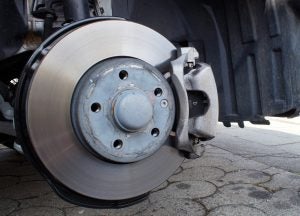
brake service

Does Your Ford Need a Brake Repair?

Five percent of road accidents occur each year in the US because of brake failure. That's 300,000 accidents which could mostly have been avoided with more careful brake maintenance. Drivers should always pay close attention to any sign of deterioration in their brakes. If you notice any of the following three problems, head straight to your local Ford dealer for brake repair. Insufficient Brake Fluid Your brakes use a hydraulic system to transfer the relatively small pressure of your foot on the pedal into enough force to clamp the rotors and stop your car. Brake fluid is responsible for maintaining that high hydraulic pressure and transferring the force. Brake fluid doesn't need to be changed often, but it must occasionally be refreshed. Most Ford models recommend changing it every four or five years because brake fluid does eventually begin to wear down with age. Perhaps because of this infrequent schedule, some drivers forget all about it until it's too late. When you take your car in for periodical brake inspections, the technician will always check your fluid levels and inform you if it's nearing time for a change. Watch Out for Leaks If your brake hoses spring a leak, you'll immediately notice a disconcerting sponginess to your brakes. Without the fluid maintaining optimal hydraulic pressure, you'll no longer be able to stop your car as effectively. Brake fluid has a yellowy color which can become brown with age. If you ever notice a yellow or brown liquid pooling under your hood or car, you have a brake fluid leak and should have it fixed immediately. Worn Out Brake Pads Brake pads wear down a fraction more every time you stop your car. Ford drivers should have their pads replaced every 10,000 to 20,000 miles, depending on how brake-heavy their driving style and conditions are. Loud squealing or grinding sounds while braking are certain indicators that at least one of your brake pads needs replacing. Damaged Rotors Rotors last far longer and you probably won't have to replace your rotors more often than once every 50,000 to 70,000 miles. If your braking mechanism ever overheats due to excessive continual braking, rotors can become damaged by scoring or melted brake pad resin. If your rotors are damaged in this way, you're likely to notice vibrations through your brake pedal or steering wheel. They'll have to be repaired or replaced. How a Ford Dealer Inspects Your Brakes The technician will check your brake fluid levels and carefully examine all the hoses and connections for leaks. They'll raise your vehicle and take off the wheels, calipers, pads, and rotors, inspecting each one for signs of damage. By the time a good brake inspection is finished, you can rest assured that you're safe on the road. Have experienced professionals inspect and repair your brakes today at Bob Maxey Ford-Howell. We're the go-to dealership for the drivers of Fowlerville, Pinckney, Brighton, and Fenton, MI. Our friendly, knowledgeable staff are always on hand to provide exceptional service, whatever your vehicle needs may be. Image by Ralph from Pixabay

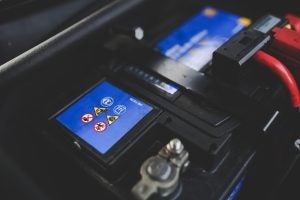
Car Battery

Two Signs It May Be Time for a New Car Battery

Your car battery's most important function is to provide the power to start your car. When you turn the key or press the button, your battery sends a very strong electrical charge to the solenoid in the starter to crank your engine. Your engine should start almost immediately after the charge is sent. If it doesn't start or takes time for your engine to crank, you may need a new car battery. In Howell, MI, your Ford dealer can quickly and easily replace your battery. Damaged Battery Case The contents of your battery are protected by a strong plastic casing. The metal plates, chemicals, and other components necessary to store and provide electricity have to be protected. Dust in the air and other contamination can easily damage these very delicate parts. The casing slightly weakens over time due, in part, to contain the chemical reactions that take place inside it. Extreme hot and cold temperature, however, is the main cause of damage to the battery's case. Under normal weather conditions, the casing will expand and contract, but without any significant changes. Extremes of temperature cause the casing to expand and contract but in a far more extreme way. It's easy to check your battery. If you examine it and the case shows any form of deformity, your battery is damaged. It may continue to work for a while, but it will fail. We advise contacting our service department to replace your battery ASAP. Slow Cranking Engine As we've seen, your battery provides the charge to start your engine. The charge needed uses a large part of your battery's available power. Normally, this battery drain is easily and quickly replaced. Your alternator begins recharging your battery as soon as your engine is running. Your alternator has a relatively long life. After approximately eight years, however, the alternator will show signs of failing. A failing alternator can't provide all the electrical power your car demands. A weak alternator will provide less power to recharge your battery. This means that the large charge used to start your engine can't be fully replaced. The longer this situation continues, the weaker your battery will become. If you find that it takes several minutes for your engine to crank and start, the problem may be caused by a dying battery. The problem could also be a failing alternator. Our technicians will examine the alternator and the battery and replace whichever part is damaged. A failing battery can very easily leave you stranded on the drive or worse on the open road. Batteries do show signs that they're failing, so it's very important to be aware of any strange behavior. If you're concerned about your battery or you'd like to have it tested, call our service department right away at Bob Maxey Ford - Howell. Our expert technicians have the training and technology available to speedily repair or replace your battery. Image by Karolina Grabowska from Pixabay

Contact Us

Fill out this form below and we'll contact you shortly
*Required Fields